Recommendations for Caring for Your Baggage: How to Ensure Durability and Protection
Good upkeep of luggage bags is crucial for maintaining their performance and look over time. Frequent washing, correct keeping, and timely fixes can greatly extend their lifespan. Many travelers ignore basic upkeep routines that can prevent damage and deterioration. Knowing the best methods for maintenance is vital. As travelers prepare for their next adventure, they might wonder about the particular actions they can implement to ensure their luggage stays in excellent shape.
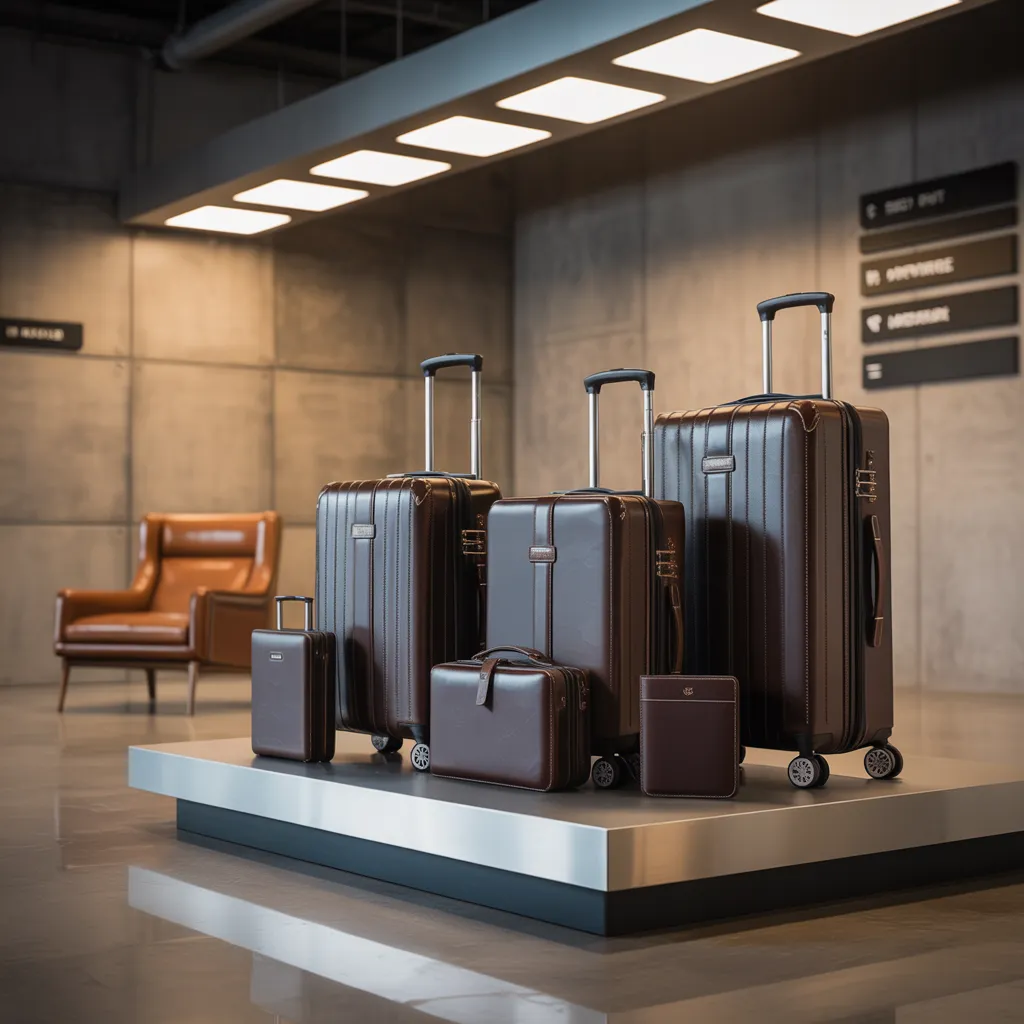
Your Luggage Maintenance Guide: Sequential Steps
It is necessary to clean luggage to keep its condition and lifespan. Begin by emptying all compartments, making sure that no items remain inside. Afterwards, the exterior should be gently brushed with a soft brush find now or cloth to get rid of dust and debris. When dealing with fabric luggage, apply a mixture of mild soap and water using a sponge, whereas leather needs dedicated leather cleaner to prevent damage. Always test any cleaning product on a small, unnoticeable spot first.
After rinsing, the luggage should be rinsed with a damp cloth to eliminate soap residue. For stubborn stains, a mixture of vinegar and water may be effective, but caution is advised. Finally, the luggage should be completely air-dried before putting away, ensuring that moisture doesn't lead to mildew. Frequent cleaning not only boosts aesthetics but also extends the lifespan of the luggage, rendering it a worthwhile routine.
Protecting Your Luggage: Best Practices for Durability
Properly keeping luggage is essential for guaranteeing its longevity and keeping its overall condition. When not in use, luggage should be stored in a dry, cool environment to protect against damage from humidity and extreme temperatures. Ideally, it should be stored upright to maintain its shape, steering clear of any unnecessary pressure on the zippers and seams.
If possible, use dust bags or protective covers to protect luggage from dust and scratches. Refrain from stacking heavy items on top of luggage, as this can distort its structure over time. For soft-sided bags, keeping them partially filled with soft materials can help retain shape, while hard-shell cases should be kept empty to prevent any internal pressure.
Regularly observing the storage room for pests or moisture can avert sustained harm. By sticking to these standard procedures, individuals can guarantee their luggage remains in excellent condition for future travels.
Mend Common Luggage Issues Without Difficulty
Standard luggage concerns, such as problematic zippers, seams, and damaged handles or wheels, can generally be remedied with minimal repairs. Understanding foundational repair techniques can boost the longevity of luggage and enhance travel experiences. This section will outline effective methods for tackling these frequent problems.
Fixing Zippers and Seams
Zippers and seams are vital parts of luggage, and when they fail, they can compromise the integrity of the bag. To address zipper issues, one can often use a lubricant, such as silicone spray or graphite, to improve movement. If a zipper is misaligned, gently pulling the slider back can realign it. For damaged zippers, replacing the slider may be required, which can be done with a few basic tools.
Seams, on the other hand, may need sewing if they come undone. Using a needle and strong thread, one can carefully sew the seam back together, ensuring the stitches are tight and secure. Regular inspection and prompt repairs can greatly increase durability of luggage bags.
Restoring Handle and Wheels
Handles and wheels are critical for the mobility of luggage, and when they break, travel can become troublesome. To repair a broken handle, one can often reattach it using screws or adhesive, depending on the damage. For wheels, examine for debris or obstructions, as these can hinder movement. If a wheel is damaged, replacing it may be necessary; many luggage brands offer compatible replacement parts. A simple toolset, including a screwdriver and pliers, is often sufficient for these repairs. Regular maintenance, such as cleaning wheels and checking for wear, can prevent issues. By addressing these components promptly, travelers can extend the life of their luggage and avoid inconvenience during trips.
Shield Your Luggage From Damage on the Go
Travelers should take proactive steps to shield their luggage from possible harm while on the move. A sturdy luggage cover can offer an essential layer of defense against marks and blemishes during transit. Additionally, using proper packing techniques is vital; items should be fastened to prevent shifting, which can cause wear and tear.
When traversing busy airports or train stations, it is recommended to keep track of luggage at all times. Using a unique identifier, such as a colorful strap or tag, can help deter theft and confirm easy identification. Moreover, travelers should avoid overpacking, as excess weight can strain zippers and seams, leading to damage.
Finally, when checking bags, selecting a reliable copyright and comprehending their baggage procedures can minimize the risk of damage. By applying these strategies, travelers can greatly prolong the lifespan of their luggage.
Must-Have Products for Baggage Upkeep
A properly cared for suitcase can significantly improve a traveler's journey, rendering essential accessories crucial for luggage maintenance. One basic item is a luggage cover, which protects against scratches and dirt during transit. These protectors come in different dimensions and styles, guaranteeing suitability with various suitcase models.
Additionally, storage cubes help organize belongings and prevent clutter, making packing and unpacking easier. A durable luggage lock enhances security, shielding valuables against possible theft. Furthermore, a handheld luggage scale is essential, enabling travelers to prevent overweight baggage fees by verifying adherence to copyright weight restrictions.
To summarize, a travel-sized maintenance kit can be practical for caring for the suitcase's exterior, allowing for speedy cleanups after trips. By purchasing these accessories, explorers can greatly lengthen the life of their luggage while boosting their overall trip.
Traveling Securely With Your Bags: Pointers and Strategies
As you travel, select luggage crafted from durable materials is essential for guaranteeing safety and lasting durability. In addition, securely locking belongings can prevent theft and protect items safe during transportation. By highlighting these elements, travelers can elevate their overall luggage journey.
Opt for Strong Substances
Picking luggage built from tough fabrics is important for preserving durability and protecting during journeys. Premium fabrics, such as polycarbonate, ballistic nylon, and high-density polyester, can withstand the challenges of frequent transport and multiple conditions. These fabrics are not only resistant to scratches and collisions but also moisture-resistant, providing an additional layer of security for items. Additionally, reinforced stitching and sturdy closures boost overall resilience, preventing wear and tear as time passes. Passengers should consider lightweight options that maintain strength, as this can facilitate easier carrying. By prioritizing durable materials, travelers can greatly reduce the likelihood of damage, guaranteeing their luggage stays practical and reliable for many years.
Safeguard Your Items
Protecting your belongings while traveling is essential for avoiding misplacement or theft. Voyagers should think about employing luggage locks to deter unwanted entry, making sure bags are properly fastened. Furthermore, employing packing cubes can help organize items and make it harder for criminals to rapidly reach valuables. It is recommended to store essential items, such as passports and electronics, in hand luggage rather than baggage compartments. During travel, passengers should maintain visual contact with their luggage whenever possible and avoid leaving bags unsupervised in crowded areas. Using luggage tags with personal details can aid in recovery if bags are misplaced. By adopting these methods, travelers can notably enhance the safety of their items while on the move.
Frequently Asked Questions
How Often Should I Refresh My Luggage Bags?
Luggage bags should preferably be washed after every trip, especially if they display noticeable marks or discoloration. Regular maintenance enhances their appearance and lifespan, guaranteeing they stay in good condition for future journeys.
What Components Are Most Long-lasting for Luggage?
Polycarbonate, ballistic nylon, and high-denier polyester are considered among the most strong materials for travel bags. These fabrics provide excellent resistance to abrasion, guaranteeing longevity and reliability during prolonged journeys or forceful treatment.
May I Tailor My Luggage for Easier Spotting?
Yes, bags can be tailored for improved recognition. Options include distinctive belts, custom identifiers, or unique decals. Such additions boost visibility and minimize the chances of mix-ups while traveling, ensuring your luggage stands out clearly.
How Do I Select the Right Luggage Size for Trips?
Selecting the correct bag dimensions is determined by length of trip and personal needs. For brief journeys, a carry-on works well; extended travels may necessitate larger bags. Think about room for necessities, souvenirs, and copyright guidelines when selecting.
Are Warranty Options Offered for Luggage Bags?
Many baggage manufacturers present coverage plans, typically including manufacturing defects. Consumers must assess warranty details prior to making a purchase, because provisions differ extensively. A dependable protection plan can enhance long-term contentment and defend against unforeseen troubles.